

Common rubbish removal mistakes West Kensington landlords make
Posted on 26/06/2026
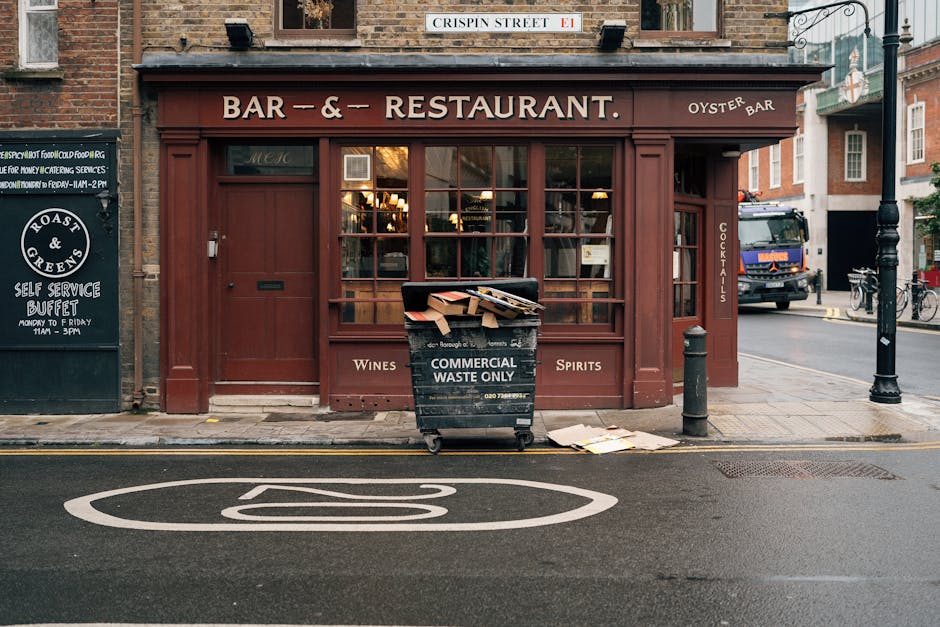
Renting property in West Kensington can be a steady business, but rubbish removal is one of those small jobs that becomes a big headache fast. A missed bulky item in a hallway, a loft full of forgotten junk, or an end-of-tenancy clear-out left too late can quickly lead to complaints, delays, and avoidable costs. The common rubbish removal mistakes West Kensington landlords make usually come down to poor planning, weak tenant communication, and underestimating how quickly waste piles up between tenancies, refurbishments, and routine maintenance.
Truth be told, rubbish is rarely just rubbish for a landlord. It can affect property condition, tenant satisfaction, access for contractors, and even your ability to turn a property around quickly. This guide breaks down the most common errors, why they matter, and how to handle waste in a cleaner, calmer, more professional way. If you manage a single flat or a small portfolio, you'll find practical steps you can use straight away.
Why Common rubbish removal mistakes West Kensington landlords make Matters
Waste issues are never only about appearances. In a dense area like West Kensington, where access can be tight and turnaround times matter, a rubbish problem can affect everything from tenant move-in dates to contractor scheduling. One overflowing bin store can trigger neighbour complaints. One missed sofa can block a fire escape or make a check-out feel messy and unprofessional. And once a job gets delayed, the knock-on effect can be surprisingly annoying.
For landlords, the impact often shows up in four places:
- Time: delays between tenancies or before repairs start.
- Money: repeat visits, hidden charges, or emergency call-outs.
- Reputation: tenants notice when a property feels poorly managed.
- Risk: unsafe storage, blocked access, or disposal mistakes.
If you own flats near busy routes or in older buildings with awkward stairwells, the risks rise. That's why planning rubbish removal properly is not a nice-to-have. It is part of running the property well. To be fair, it's one of those jobs that only gets noticed when it goes wrong.
West Kensington landlords also tend to deal with mixed waste streams: furniture after a tenancy ends, loft clutter, garden waste, builders' debris, and the odd office-style clear-out from a home working setup. Services such as house clearance in West Kensington and furniture disposal support are often useful where a property needs to be reset quickly and properly.
How Common rubbish removal mistakes West Kensington landlords make Works
Good rubbish removal is really a process, not a single task. The landlord identifies what needs clearing, decides what stays, separates reusable items from waste, arranges access, and then chooses the right collection method. When that process is rushed, mistakes creep in. A tenant leaves items behind. A contractor arrives with the wrong vehicle. A bulky item needs two people but only one was booked. Simple enough, but it happens all the time.
In practical terms, the process should look something like this:
- Inspect the property and identify all waste streams.
- Separate reusable, recyclable, and general rubbish.
- Check access, parking, stairwells, lifts, and timing restrictions.
- Choose a collection method that suits the volume and type of waste.
- Confirm how disposal will be handled and what paperwork you may need.
- Schedule the collection so it fits tenancy or refurbishment timelines.
This is where many landlords trip up. They think of rubbish removal as "take it away and done," but the better approach is closer to project management. The clearer the brief, the smoother the job. If you want a wider view of what proper collection can cover, the services overview is a helpful starting point.
In some homes, especially older conversions or top-floor flats, access is a bigger issue than the waste itself. A clear plan helps avoid the classic headache of "the van is here, but the sofa won't fit down the stairs." That sort of thing always sounds funny until you're standing in the stairwell at 7:30 on a damp Tuesday morning.
Key Benefits and Practical Advantages
When landlords get rubbish removal right, the benefits are immediate and very ordinary in the best possible way. The flat resets faster. Tenants move in to a cleaner space. Contractors can work without dodging old cupboards or broken tiles. And you get fewer awkward surprises after check-out.
- Faster void turnaround: less dead time between tenants.
- Cleaner inspections: easier to spot real maintenance issues.
- Better presentation: useful for viewings and re-letting.
- Less stress: fewer last-minute decisions and call-outs.
- Reduced waste: items can often be separated for recycling or reuse.
There is also a quieter advantage: better judgement. Once you have a clear process, you start spotting what can be salvaged, what should be removed, and what needs specialist handling. That matters when you're dealing with mixed waste after refurbishments, especially if you use builders waste disposal in West Kensington for renovation projects or loft clearance after long-term storage build-up.
One thing landlords often notice once they improve their waste process is how much calmer the property feels. Fewer piles. Fewer "we'll sort it later" moments. Less friction all round.
| Approach | Best for | Main weakness | Landlord takeaway |
|---|---|---|---|
| DIY clearance | Very small loads | Time-consuming, awkward access, disposal risk | Only sensible for minor tidy-ups |
| Scheduled collection | Predictable waste from routine maintenance | Can be too slow for tight void periods | Good for planning ahead |
| Professional clearance | Bulkier, mixed, or urgent waste | Needs a clear brief and access details | Often the best fit for landlords |
Who This Is For and When It Makes Sense
This advice is mainly for landlords, but the same thinking helps letting agents, property managers, and investors who want a cleaner workflow. If you rent out a single flat in W14, you may need this during a tenant changeover. If you manage multiple units, it becomes part of your operating rhythm. Either way, rubbish removal is easiest when it is treated as a routine task rather than an emergency.
It makes particular sense if you are dealing with:
- end-of-tenancy clear-outs
- furniture left behind by departing tenants
- loft or basement clutter
- garden waste after external work
- builder's rubbish from repairs or upgrades
- bulky items that won't fit into normal bins
If your property is near busy transport links or hard-to-access streets, it is worth reading about tight access rubbish jobs on Earls Court and bulky rubbish pickup near West Kensington Station. Those situations come up more often than people expect, and they can turn a simple job into a logistical puzzle.
And yes, if you're thinking, "surely I can just leave it until the next clean-up," that is usually where the trouble starts.
Step-by-Step Guidance
Here is a practical way to handle rubbish removal without making the usual landlord mistakes.
- Walk the property properly. Don't rely on photos alone. Check cupboards, loft spaces, under beds, sheds, and communal corners.
- List the waste by type. Separate furniture, electrical items, general rubbish, garden waste, and building debris.
- Decide what can stay. Some items may be useful for the next tenant; others are better removed before viewings.
- Check access before booking. Measure stairs, note lift availability, and think about parking or loading restrictions.
- Choose the right service level. Small tidy-up, full clearance, same-day help, or specialist removal each suit different scenarios.
- Confirm timing around tenancy milestones. Aim to have waste removed before deep cleaning, decorating, or safety checks.
- Keep a simple record. Note what was removed, when, and by whom. It is dull, but useful.
A practical example: if a tenant leaves a sofa, a mattress, two broken chairs, and a few sacks of mixed waste, you do not want to book the job as "one sofa collection." That is where estimates go sideways. Describe the full load, not just the biggest item.
For larger projects, it can also help to combine services. A landlord preparing a flat after a refurbishment might need waste cleared alongside rubbish collection in West Kensington or a broader waste clearance service so the whole property is reset in one go.
Expert Tips for Better Results
The best landlord clear-outs are usually the ones that look almost boring from the outside. No panic. No frantic phone calls. No "can you come back tomorrow?" moment at the kerb. Here are the habits that help most.
- Book earlier than you think you need to. Void periods move fast, and a delayed collection can push back cleaning and repairs.
- Photograph the waste before collection. It helps with planning and avoids confusion on arrival.
- Ask about access in plain language. If there are stairs, tight turns, or no lift, say so upfront.
- Separate bulky items from mixed waste. It makes the job smoother and often quicker.
- Think about the weather. Rain, mud, and wet stair treads can make an awkward job even fussier.
- Use collection windows wisely. Early slots can be calmer, especially in busier parts of West Kensington.
One small tip that saves time: if you know an end-of-tenancy clean is coming, clear the rubbish first. Cleaners hate working around leftover junk, and quite fairly so. The smell of old cardboard, damp fabric, and dust in a shut-up room is not exactly inspiring.
If you want to reduce repeat visits, be specific about awkward items like wardrobes, shelving, or damaged appliances. That information matters more than a lot of landlords realise.

Common Mistakes to Avoid
Here's the part that matters most. These are the common rubbish removal mistakes West Kensington landlords make again and again.
1. Waiting until checkout day to deal with waste
This is the most common one. You only realise the property needs clearing when the tenant has already left, and then everything feels urgent. That's how errors happen. The job becomes more expensive, more rushed, and more annoying for everyone involved.
2. Assuming tenants will remove everything
Sometimes they do. Often they don't. Tenancy agreements can set expectations, but real life is messier than that. If you want items gone, confirm it early and clearly.
3. Underestimating how much is left behind
A single cupboard can hide bags, broken small appliances, old bedding, and odd little items that add up fast. What looks like "a couple of bits" can become a half-load, then a full-load.
4. Forgetting about access constraints
West Kensington properties can come with narrow stairs, awkward entrances, basement steps, or limited parking. If access is poor, even a straightforward job needs planning. Otherwise you get delays, extra labour, or an unhappy team standing in the street with nowhere to put the van.
5. Mixing recyclable items with general waste
It is tempting to chuck everything into one pile. But mixed waste can reduce recycling opportunities and make the job less efficient. A little sorting saves hassle later.
6. Choosing the cheapest option without checking what is included
Hidden extras are a classic problem. Some quotes look fine until the details come out. For a useful warning sign, read more about hidden rubbish clearance charges to avoid in W14. A cheap number that grows later is not really cheap, is it?
7. Treating garden and builders' waste like general rubbish
Cuttings, soil, rubble, plasterboard, and renovation offcuts often need different handling. A landlord with a small courtyard project or refurbishment should plan these separately. Services like garden waste removal in West Kensington and builders waste disposal exist for a reason.
8. Not documenting what was removed
This sounds minor until a dispute comes up. Photos, a short note, or an inventory update can help you explain what happened and when.
9. Ignoring the safety side
Broken glass, heavy wardrobes, damp flooring, or unstable stacks can all create avoidable risk. A proper clearance should protect people first. If you are unsure, choose a team that takes handling and insurance seriously. The insurance and safety information is worth checking before you book any job that feels fiddly or heavy.
Tools, Resources and Recommendations
You do not need a complicated system. In fact, a simple one is usually better. A landlord toolkit for waste management can be very basic and still work well.
- Property checklist: a room-by-room list for end-of-tenancy checks.
- Photo log: before-and-after images for each clearance.
- Inventory notes: useful when tenants leave items behind.
- Maintenance calendar: helps you tie waste removal to decorating or repair work.
- Clear booking brief: waste type, access details, parking notes, and timing.
For landlords who manage multiple properties, it helps to create a repeatable process. Use the same basic questions every time. What needs clearing? How much is there? Is it bulky? Is access awkward? Can it wait, or does it need sorting now? A tiny system can save a lot of mess.
It may also be worth reading the company pages that explain how the team works and how payments are handled, especially if you are booking regularly. That includes the payment and security page and the terms and conditions, because clarity upfront tends to prevent awkwardness later.
And if you are comparing options, remember that a slightly better-planned service is often better value than a cheap quote that creates a second job for you.
Law, Compliance, Standards, or Best Practice
Landlords do not need to become waste experts, but they do need to act responsibly. In the UK, duty of care principles around waste mean you should take disposal seriously, use reputable arrangements, and avoid fly-tipping or careless handovers. The exact requirements can vary depending on the waste type and the job, so it is sensible to keep things cautious and well documented.
Practical best practice usually includes:
- making sure waste is transferred responsibly
- keeping a record of collections where useful
- separating hazardous or specialist items where needed
- not leaving waste in communal areas for long periods
- making sure contractors understand access rules and building requirements
For London landlords, the other compliance angle is building safety and neighbour impact. A pile of waste in a hallway is not just untidy; it can create access and safety issues. In older West Kensington properties, that matters quite a bit.
Best practice also means being honest about what is on site. If the job includes difficult access, mixed waste, or items that need special handling, say so upfront. It keeps everyone safer and reduces the chance of surprise fees or delays.
Options, Methods, or Comparison Table
Landlords usually have three broad ways to deal with rubbish removal. The right one depends on timing, volume, and how hands-on you want to be.
| Method | Advantages | Drawbacks | Best use case |
|---|---|---|---|
| DIY disposal | Control, flexibility, sometimes cheaper for tiny loads | Time, effort, transport, and disposal uncertainty | Minor decluttering only |
| Regular scheduled collection | Predictable and easy to plan around maintenance | May be too slow for urgent voids | Routine waste from managed properties |
| Professional clearance | Faster, better for bulky or mixed loads, less hassle | Needs clear communication and good access details | End-of-tenancy, refurbishments, urgent clear-outs |
For most West Kensington landlords, professional clearance is the practical choice when there is bulky furniture, mixed waste, or a narrow turnaround window. If you are dealing with odd access or timing constraints, a same-day rubbish removal approach can sometimes be the difference between a smooth reset and a frustrating backlog.

Case Study or Real-World Example
Here's a realistic example. A landlord in a converted flat near West Kensington had a tenant move out on Friday, cleaners booked for Monday, and viewings planned for Wednesday. On the surface, the property looked fine. Then the inspection began: a mattress in the bedroom, two broken chairs in the lounge, bags of mixed rubbish in the kitchen, and a loft stuffed with old boxes and curtain poles. Nothing dramatic. Just enough to derail the schedule.
The first mistake was waiting until the tenancy ended to check the waste. The second was booking a collection without mentioning the loft clutter or awkward stair access. The result? The job had to be split into two visits, the cleaners were pushed back, and the viewings felt hurried.
After that, the landlord changed the process:
- they added a pre-checkout waste inspection
- they took photos before confirming any collection
- they noted access issues for every booking
- they cleared bulky items before cleaning
The next move-out was calmer. Not perfect, because property work never is, but much better. That is the real lesson: a little structure stops rubbish from hijacking the rest of the turnover.
If the property is being marketed or transacted, waste clearance becomes even more important. A tidy, uncluttered space is easier to photograph, easier to inspect, and just less tiring to walk through. If you work in that part of the market, articles like transacting homes in Kensington and the Kensington real estate investment guide help show how presentation and timing can affect the bigger picture.
Practical Checklist
Use this before every landlord rubbish removal job. It keeps things tidy, and honestly, it saves a lot of back-and-forth.
- Have I inspected every room, cupboard, loft, and external space?
- Have I identified bulky items, mixed waste, and anything fragile or hazardous?
- Have I checked stair access, lift availability, and parking or loading restrictions?
- Have I confirmed the timing against cleaning, repairs, or tenant move-in?
- Have I separated items that could be reused or recycled?
- Have I made a note of what the collection includes?
- Have I explained anything awkward in plain language?
- Have I checked the service terms and payment details?
- Have I planned for last-minute surprises, because there is almost always one?
If you can tick most of those off, you are already ahead of many landlords. It is not glamorous work, but it makes property management feel less like firefighting.
Get a free quote today and see how much you can save.
Conclusion
The common rubbish removal mistakes West Kensington landlords make are usually simple, ordinary mistakes: waiting too long, under-briefing the job, ignoring access, and underestimating what has been left behind. The good news is that every one of those problems is fixable. A bit of planning, better documentation, and the right type of collection can make your property turnarounds cleaner, quicker, and far less stressful.
In a place like West Kensington, where access, timing, and property standards all matter, getting waste right is part of being a good landlord. Not flashy. Just solid. And that, in the long run, tends to pay off nicely.
If you remember only one thing, make it this: clear the rubbish early, brief the job properly, and never assume the awkward bits will sort themselves out. They never do, do they?
 Tipper Van - Waste Clearance and Garden Clearance Prices in West Kensington, W14
 Luton Van - Waste Clearance and Garden Clearance Prices in West Kensington, W14

